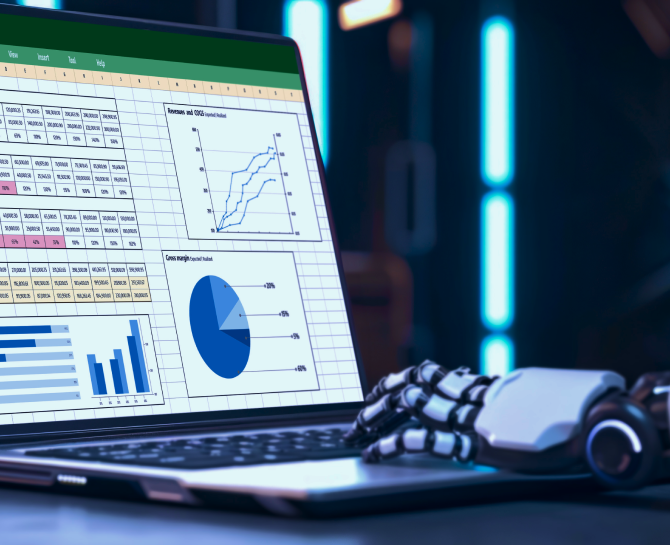
How AI-Driven Google Analytics Reports Are Changing Business Intelligence
Data overload makes decision-making harder. AI-driven Google Analytics reports simplify this process by automating analysis, predicting trends, and flagging crucial insights, helping businesses optimize marketing, improve conversions, and make proactive decisions based on real-time data. Read on.
Businesses today generate massive amounts of data, yet most decision-makers struggle to extract real, actionable insights from their Google Analytics reports. Sifting through endless charts, filtering metrics, and identifying trends manually is not just time-consuming—it is inefficient.
Marketing teams miss crucial performance shifts. Executives lack real-time visibility into customer behavior. And when data-driven decisions are made, opportunities may have already slipped away.
This is where AI-driven Google Analytics reports change the game. Instead of relying on static data, AI automates analysis, detects anomalies, and delivers predictive insights, all in real-time. Businesses no longer need to guess what is happening; they can anticipate trends, optimize marketing spend, and act on opportunities before competitors do.
Now, let us explore how AI-driven Google Analytics reports are redefining business intelligence and why they are a must-have for any data-driven organization.
Key Takeaways
- AI-driven Google Analytics reports automate complex data analysis, enabling businesses to extract meaningful insights quickly and accurately.
- Predictive analytics helps companies anticipate customer behavior, optimize marketing efforts, and improve conversion rates.
- AI-driven anomaly detection identifies sudden traffic and conversion shifts, allowing businesses to act before revenue is impacted.
- Personalized reporting delivers relevant, role-based insights, ensuring each department can make informed decisions.
- Implementing AI-powered analytics enhances efficiency, reduces manual effort, and drives data-backed business growth.
How AI Enhances Google Analytics Reports
Traditional Google Analytics reports provide a wealth of data, but making sense of it requires manual effort, technical expertise, and hours of analysis. AI-driven Google Analytics reports eliminate this bottleneck by automating data interpretation, identifying patterns, and delivering insights instantly.
Automating Data Analysis for Faster Decision-Making
Traditional data analysis requires significant manual effort to extract insights, identify patterns, and generate reports. AI streamlines this process by:
- Processing large datasets instantly: AI scans thousands of data points in seconds, providing real-time insights without human intervention.
- Summarizing key trends automatically: Instead of spending hours interpreting reports, businesses receive AI-generated summaries highlighting performance changes.
- Reducing human error: AI eliminates the risk of misinterpretation, ensuring data-driven decisions are based on accurate insights.
AI-Driven Anomaly Detection: Spot Trends Before They Impact Revenue
Unusual fluctuations in website traffic, conversion rates, or user engagement can indicate emerging trends or potential issues. AI-driven anomaly detection ensures businesses do not miss critical shifts by:
- Identifying sudden traffic surges or drops: AI detects unusual spikes in visitors and determines if they result from viral content, bot traffic, or algorithm updates.
- Pinpointing conversion rate irregularities: If conversions suddenly decline, AI identifies the cause, whether it is a broken checkout process, a pricing issue, or a competitor’s promotion.
- Monitoring campaign performance deviations: AI flags underperforming or overperforming campaigns, helping marketers adjust strategies before budgets are wasted.
Predictive Analytics: Forecasting Customer Behavior and Traffic Trends
AI does not just analyze past performance; it forecasts future trends to help businesses stay ahead. Predictive analytics in Google Analytics reports enables:
- Traffic forecasting: AI projects future website visits based on historical data, seasonality, and external factors such as market trends or industry shifts.
- Customer purchase likelihood predictions: AI analyzes browsing behavior and past interactions to determine which users are most likely to convert, allowing businesses to target them with personalized offers.
- Marketing performance optimization: AI predicts the impact of different advertising strategies, helping businesses allocate budgets to the highest-performing channels before a campaign even launches.
Personalized Reporting: AI’s Role in Generating Role-Based Reports
Different teams within an organization require different types of insights. AI-powered Google Analytics reports customize dashboards and automate role-based reporting, ensuring decision-makers receive the most relevant data. This includes:
- Executive-Level Summaries: High-level overviews of traffic trends, revenue impact, and marketing performance for CEOs and senior management.
- Marketing and Sales Reports: Detailed campaign performance insights, audience segmentation, and customer conversion analysis tailored for growth teams.
- Technical and Product Analytics: Data on website performance, user engagement trends, and site health for developers and product teams.
Real-World Business Impact of AI-Driven Google Analytics Reports
AI-driven Google Analytics reports are not just about automating data analysis. They provide actionable insights directly impacting revenue, customer retention, and marketing efficiency. Businesses that leverage AI in analytics gain a competitive edge by making faster, smarter, and more strategic decisions.
1. Optimizing Marketing Spend with AI-Driven Insights
Marketing budgets are often wasted on ineffective campaigns, and identifying what works can take weeks of analysis. AI-driven reports track campaign performance in real-time and provide data-backed recommendations on where to allocate ad spend. Instead of manually testing different strategies, businesses can automatically identify high-performing channels, optimize ad placements, and cut unnecessary costs.
2. Identifying Hidden Revenue Opportunities
AI does more than track revenue trends. It uncovers patterns that humans might miss, such as:
- High-intent customers who are likely to convert but need an extra push
- Underperforming product pages that, with minor adjustments, could drive more sales
- Cross-selling and upselling opportunities based on customer browsing behavior
By acting on these insights, businesses can increase sales without increasing customer acquisition costs.
3. Strengthening Customer Retention Strategies
AI-powered Google Analytics reports do not just track customer engagement; they predict customer churn by analyzing behavior patterns. If users are dropping off before completing a purchase, AI can identify common exit points and suggest personalized engagement strategies, such as:
- Sending targeted email offers to at-risk customers
- Recommending content or products based on user interests
- Optimizing user experience by detecting friction points in the customer journey
4. Enhancing SEO and Content Strategy
Search engine optimization (SEO) is no longer just tracking keyword rankings. AI-driven Google Analytics reports analyze user intent, engagement rates, and content effectiveness to provide smarter recommendations. Businesses can:
- Identify which blog topics attract the most traffic and conversions
- Understand how users navigate a website and where they drop off
- Optimize content for better engagement and search rankings
Instead of making SEO and content decisions based on outdated metrics, AI enables businesses to create data-driven strategies that move the needle.
Pro Tip- AI-driven Google Analytics reports do more than present data; they turn raw numbers into real business opportunities. Whether optimizing marketing spend, improving customer retention, or refining content strategies, AI provides insights that lead to faster, smarter, and more profitable decisions.
Features to Leverage in AI-Driven Google Analytics Reports
AI-driven Google Analytics reports provide more than just automation. They enhance data accuracy, reduce manual workload, and offer predictive insights that traditional analytics cannot. Understanding these features helps businesses make informed, real-time decisions that drive revenue and efficiency.
Automated Insights and Trend Detection: Identify Patterns Instantly
AI continuously monitors vast amounts of data, identifying trends and anomalies without human intervention. Instead of manually sifting through multiple reports, AI highlights the most critical insights, such as:
- Traffic Fluctuations: Detects sudden spikes or dips and identifies their causes, such as an algorithm update or a viral marketing campaign.
- Behavioral Shifts: Identifies changes in user engagement, such as an increase in abandoned carts or a drop in returning visitors.
- Marketing Performance Trends: Highlights which campaigns or content formats deliver the best ROI.
Predictive Metrics and User Behavior Forecasts: Anticipate Future Trends
Predictive analytics goes beyond historical data analysis to forecast future trends and user behavior. AI-powered reports can provide:
- Projected Website Traffic: Helps plan for seasonal fluctuations, promotions, or potential slow periods.
- Customer Purchase Likelihood: Analyzes browsing behavior to determine which users will most likely convert.
- Ad Spend Optimization: Predicts which campaigns will generate the highest returns based on historical performance.
Custom Alerts for Anomalies and Opportunities: Respond in Real Time
Traditional analytics require frequent manual checks, but AI-driven reports automatically notify users when significant changes occur. These alerts ensure businesses never miss crucial insights, such as:
- Revenue-Impacting Anomalies: A sudden conversion drop due to a broken checkout page.
- Unusual Traffic Patterns: A surge in traffic from an unexpected source, indicating potential market opportunities.
- SEO Performance Shifts: A ranking drop after a search engine algorithm update.
Natural Language Queries for Faster Insights: Make Data More Accessible
One of the biggest barriers to effective analytics is data complexity. AI simplifies this by allowing users to ask questions in natural language instead of manually filtering through reports. Users can simply type queries like:
- Which traffic source had the highest conversion rate this quarter?
- Why did bounce rates increase last week?
- What are the top-performing keywords for organic traffic?
AI instantly retrieves relevant insights, making analytics more accessible to executives, marketing teams, and non-technical users.
Implementing AI-Driven Google Analytics Reports: Steps for Success
Integrating AI into Google Analytics is not just about enabling automation. It requires a strategic approach to ensure businesses extract the maximum value from AI-powered insights. Here is how organizations can successfully implement AI-driven Google Analytics reports.
Define Business Objectives: Align AI Insights With Goals
Before leveraging AI-powered reports, businesses must establish clear objectives. AI can process vast amounts of data, but its impact depends on how well it aligns with company goals. Organizations should define:
- Key Performance Indicators (KPIs): Identify which metrics matter most, such as conversion rates, customer retention, or ad spend efficiency.
- Business Priorities: Determine whether AI should focus on improving customer experience, optimizing marketing efforts, or reducing operational inefficiencies.
- Decision-Making Needs: Specify which teams (marketing, sales, finance) will use AI-driven reports and how they will apply insights.
Integrate AI-Powered Analytics Tools: Choose the Right Solution
Google Analytics provides AI-driven insights, but businesses can enhance their capabilities with additional AI tools and integrations. Options include:
- Google Analytics Intelligence: Offers automated insights, anomaly detection, and predictive analytics within Google Analytics.
- Google BigQuery and Looker Studio: Enable advanced AI-powered data analysis and visualization.
- Third-Party AI Tools: Platforms like DataRobot, Tableau, or Microsoft Power BI can further refine AI-driven insights.
Customize AI Reports and Dashboards: Deliver Relevant Insights
AI-driven reports should provide tailored insights for different teams. Customizing dashboards ensures each department receives data that aligns with its objectives. Businesses should:
- Create Role-Based Dashboards: Executives need high-level summaries, while marketing teams require granular campaign data.
- Set Up AI-Powered Alerts: Configure notifications for critical business changes, such as traffic spikes, ad performance shifts, or conversion rate drops.
- Automate Recurring Reports: Reduce manual effort by setting up scheduled AI-generated reports for weekly or monthly insights.
Ensure Data Accuracy and Security: Optimize AI Performance
AI models rely on high-quality, accurate data. Businesses must implement the best data collection and security practices to maximize AI’s effectiveness. Steps include:
- Eliminating Data Silos: Ensure data from different platforms (CRM, social media, ad campaigns) is integrated into Google Analytics.
- Maintaining Data Privacy Compliance: Follow GDPR, CCPA, and other data protection regulations to ensure AI-driven reports remain compliant.
- Regularly Auditing AI Performance: Monitor AI-generated insights for accuracy and adjust algorithms as needed.
Conclusion
Traditional analytics methods often fall short of delivering real-time, actionable intelligence. AI-driven Google Analytics reports eliminate these limitations by offering automated insights, predictive analytics, and personalized reporting, empowering businesses to make faster, smarter decisions.
By leveraging AI, companies can optimize marketing strategies, improve customer engagement, and maximize ROI with minimal manual effort. The ability to anticipate trends, detect anomalies, and generate tailored reports ensures businesses stay ahead in an increasingly data-driven world.
Are you ready to transform your data strategy with AI-driven Google Analytics reports?
Contact us at info@diggrowth.com to get started.
Ready to get started?
Increase your marketing ROI by 30% with custom dashboards & reports that present a clear picture of marketing effectiveness
Start Free Trial
Experience Premium Marketing Analytics At Budget-Friendly Pricing.

Learn how you can accurately measure return on marketing investment.
How Predictive AI Will Transform Paid Media Strategy in 2026
Paid media isn’t a channel game anymore, it’s...
Read full post post
Don’t Let AI Break Your Brand: What Every CMO Should Know
AI isn’t just another marketing tool. It’s changing...
Read full post post
From Demos to Deployment: Why MCP Is the Foundation of Agentic AI
A quiet revolution is unfolding in AI. And...
Read full post postFAQ's
AI-driven analytics tools comply with data privacy regulations like GDPR and CCPA by anonymizing user data, restricting unauthorized access, and using secure cloud environments to process insights without compromising sensitive customer information.
Yes, AI-powered analytics can integrate with CRM platforms, ad networks, and email marketing tools, providing a unified view of campaign performance, customer journeys, and audience segmentation for better data-driven decision-making across multiple marketing channels.
No, these reports simplify data interpretation by providing natural language insights, automated summaries, and visual dashboards, making advanced analytics accessible to non-technical users, including executives, marketers, and business strategists.
AI-powered reports update in real-time or at scheduled intervals, ensuring businesses receive timely insights about traffic trends, conversion rates, and anomalies, allowing for faster response times and better strategic planning.
AI-powered analytics is valuable for eCommerce, SaaS, finance, healthcare, and media companies, helping them optimize customer acquisition, predict user behavior, detect fraud, and enhance marketing ROI through data-driven decision-making.