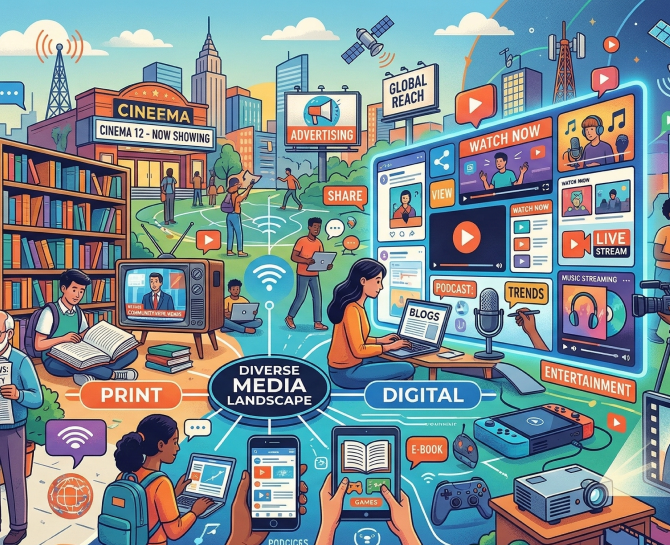
Different Types Of Media And How Businesses Use Them To Reach Audiences
Whether you are evaluating media investments or designing multi-channel strategies, having a proper understanding of the right types of media for your audience, objectives, and budget ensures campaigns deliver real impact and measurable growth. This article breaks down different types of media to guide your choices, improve audience engagement, and drive tangible marketing results.
Some messages grab attention instantly. Others pass by unnoticed.
Think about the last advertisement you actually remembered. It may have appeared on social media while scrolling. It may have been a short video before a YouTube clip. It could even have been a billboard seen on a busy road.
The interesting part is this. The message itself is often not the only reason it works. The place where it appears matters just as much.
Businesses constantly face this challenge. Should they invest in social media? Is email still effective? Do traditional channels like television or print still influence people? The answer is rarely simple because audiences interact with information in many different ways.
This is where understanding the different types of media becomes important. Each channel reaches people differently and shapes how a message is received.
Some platforms build visibility. Others build trust. A few quietly influence buying decisions without audiences even realizing it.
Read this blog to see how these media channels work and why they matter for businesses trying to reach the right audience.
Key Takeaways
- Choosing the right media is about understanding your audience, their behavior, and where they spend attention.
- Interactivity and personalization make digital and emerging media highly effective for modern marketing strategies.
- Combining multiple channels strategically amplifies reach and creates stronger connections with the audience.
- Measuring impact and adjusting campaigns continuously ensures every effort contributes to growth and results.
What Is Media In Communication And Marketing
Media is not just a way to share news or entertainment. In business, it is any platform, channel, or tool used to deliver messages to an audience. It bridges the gap between a brand and its customers, shaping how information is perceived and acted upon.
Understanding media is essential because how a message is delivered can be as important as the message itself . The right channel ensures a business reaches the intended audience effectively and efficiently.
Role Of Media In Business Communication
- Build Brand Awareness – Make your business visible to the right audience.
- Share Promotional Messages – Reach people with campaigns, ads, and offers.
- Target Specific Audiences – Choose channels based on demographics, interests, or location.
- Influence Consumer Decisions – Encourage actions like inquiries, sign-ups, or purchases.
Strategic use of media allows businesses to communicate effectively, connect with the right audience, and achieve marketing goals efficiently.
Media Functions in Business
| Function | How It Helps Businesses | Example |
|---|---|---|
| Brand Awareness | Increases visibility | Social media posts, billboards |
| Promotion | Shares products and offers | Email campaigns, TV ads |
| Audience Targeting | Connects with the right people | Google Ads, niche magazines |
| Decision Influence | Encourages customer action | Influencer collaborations, sponsored content |
Main Categories Of Media Used By Businesses
Businesses have multiple ways to reach their audience. Each type of media works differently, and choosing the right mix can make the difference between a message being noticed or ignored.
Print Media
- Newspapers, magazines, brochures, flyers.
- Builds credibility and delivers detailed information.
Broadcast Media
- Television, radio.
- Reaches large audiences and reinforces campaigns.
Digital Media
- Websites, social media, emails, online ads.
- Engages audiences directly and tracks results.
Outdoor Media
- Billboards, transit ads, posters.
- Captures attention in public spaces and supports other campaigns.
Emerging Media
- Podcasts, influencers, streaming, mobile ads.
- Connects with modern audiences in interactive ways.
Print Media
Print media remains a powerful tool for businesses, even in the digital age. It includes newspapers, magazines, brochures, flyers, and catalogs. What makes print media effective is its ability to deliver detailed information and reach audiences who prefer tangible content over digital messages.
Why Businesses Use Print Media
- Targeted Reach: Magazines and local newspapers allow businesses to reach niche or regional audiences effectively.
- Credibility and Trust: Professionally designed print materials convey reliability and authority, making audiences more likely to trust the brand.
- Tangible Experience: Unlike digital ads, print materials can be held, saved, or revisited, reinforcing the brand message over time.
- Detailed Communication: Brochures and catalogs provide space for comprehensive product or service descriptions, helping customers make informed decisions.
- Support for Other Campaigns: Print works well alongside digital or broadcast campaigns, reinforcing brand presence across multiple channels.
For businesses that want to combine visibility with credibility , print media remains a reliable choice, especially for local marketing, professional industries, and detailed product promotion.
Example 1
In one notable case, The Onion published a large Adobe‑style print advertisement in its newspaper that looked like a real ad but was actually satire. The piece used the Adobe logo and a bold phrase about the experience of buying software “every month, forever” in a way that poked fun at the subscription model of creative software. The placement sparked conversation and highlighted how print can grab attention and generate buzz, even when it is humorous content rather than a standard advertisement.
Example 2
Nike has used print media strategically alongside its digital campaigns. Worldwide editions of Nike’s annual “Nike News” magazine and limited-edition print ads in sports and lifestyle publications help the brand connect with dedicated athletes and fans. These print features include in-depth storytelling, athlete profiles, and product insight that cannot be communicated fully through short digital ads alone. This blend of print and digital presence strengthens Nike’s credibility and keeps its audience engaged across multiple channels.
Broadcast Media
Broadcast media delivers messages through audio and visual channels such as television and radio. It remains one of the most effective ways for businesses to reach large audiences quickly. By combining visuals, sound, and motion, broadcast media can make messages memorable and influence audience perception.
How People Consume Broadcast Media
Television: Audiences watch content at home, on smart TVs, or through cable and streaming services. Prime-time shows, evening news, and weekend programs attract high viewership. Many viewers consume ads passively while focused on entertainment.
Radio: Listeners tune in during commutes, at work, or at home. Radio reaches audiences on the move, offering repeated exposure throughout the day. Morning and evening drive-time slots are particularly valuable for advertisers.
Behavior Patterns: Broadcast media is often consumed at scheduled times, which allows businesses to target specific demographics based on routines and preferences.
Engagement Type: Engagement is often passive; the audience may not actively seek content, making repetition and creative messaging crucial for retention.
How Broadcast Media Can Help SaaS Businesses
Increase Brand Awareness: Television and radio ads can introduce SaaS products to a wide audience, including potential customers unfamiliar with the brand.
Demonstrate Software Use Cases: Visual storytelling on TV can illustrate product functionality, onboarding processes, or real-life applications, making complex software easier to understand.
Support Multi-Channel Campaigns: Broadcast campaigns reinforce digital marketing efforts, helping audiences encounter consistent messaging across different platforms.
Target Specific Demographics: By selecting channels, programs, or time slots, SaaS brands can reach business owners, IT professionals, students, or other niche audiences likely to use their software.
Build Credibility and Trust: Presence on established TV networks or popular radio stations enhances brand authority, signaling reliability and professionalism.
Drive Action Indirectly: While broadcast media rarely results in immediate clicks like digital ads, it strengthens recognition and primes audiences to respond to emails, search campaigns, or website visits.
Digital Media
Digital media covers websites, social platforms, email, online advertising, and mobile apps. Its defining characteristic is interactivity, audiences can respond, engage, and even co-create content, making it far more dynamic than traditional channels.
Types of Engagement in Digital Media
- Passive Engagement: Reading articles, watching videos, or scrolling through feeds without direct interaction.
- Active Engagement: Clicking links, commenting, sharing posts, filling forms, or signing up for trials.
- Community Engagement: Participating in forums, groups, or online discussions related to a product or industry.
Changing Consumer Behavior
Today’s digital audiences expect content on demand. They watch videos, read blogs, and scroll social feeds whenever convenient, without waiting for scheduled programming. Most interactions happen on mobile devices, so content must be designed for smaller screens and quick consumption. Attention spans are short, making concise, visually appealing content essential. Peer validation also plays a role; likes, shares, and comments influence whether users trust a brand or engage further.
Engagement Patterns
Not all digital interactions are the same. Passive engagement includes reading articles, watching videos, or scrolling feeds without directly interacting. Active engagement involves clicking links, commenting, sharing posts, or signing up for trials. Community engagement goes deeper, with users participating in forums, groups, or discussions about a product or industry. Understanding these engagement types helps businesses design strategies that match how audiences interact online.
Example
Agencies like DiGGrowth specialise in leveraging digital media to help brands grow online. They use social platforms, targeted ads, and community engagement strategies to connect brands with audiences who are already searching for solutions. By analysing data and refining campaigns based on results, DiGGrowth helps clients improve visibility, drive traffic, and increase conversions across multiple digital channels. Their work illustrates how focused digital strategies translate into measurable business outcomes.
Outdoor Media
Outdoor media, often called out-of-home (OOH) advertising, includes billboards, transit ads, posters, and signage in public spaces. Unlike digital or broadcast channels, it reaches people in real life, creating immediate visibility and physical presence for a brand.
How People Interact with Outdoor Media
Audiences encounter outdoor media passively as they commute, shop, or move through public spaces. Engagement is brief, so messages must be clear, bold, and memorable . High-traffic locations maximize exposure, while creative designs make content stand out amid the urban landscape. People may see a billboard multiple times during daily routines, which reinforces brand recognition over time.
Strategic Advantages for Businesses
- Build Brand Awareness Quickly:
- Reinforce Digital Campaigns:
- Reach Offline Audiences:
- Target Key Locations:
Outdoor media provides high-visibility placements that help brands get noticed instantly.
Combining physical ads with online campaigns ensures consistent messaging across multiple channels.
Outdoor media connects with people who may not be actively searching online or engaging with digital content.
For SaaS and tech companies, placing ads near business hubs, tech parks, or coworking spaces reaches professionals likely to adopt software solutions.
Creative Flexibility
Outdoor media can be highly creative, from static billboards to interactive transit ads or large-scale wall murals. Bold visuals, minimal text, and striking colors ensure quick comprehension and recall. Brands can experiment with placements, formats, and messaging to see what resonates most with their audience.
Pro Tip : Outdoor media stands out because it provides high-visibility, real-world engagement , making it a strong complement to digital and broadcast strategies and helping brands stay top of mind in everyday environments.
Emerging Media
Emerging media covers podcasts, influencer collaborations, streaming platforms, mobile apps, and interactive digital formats. Unlike traditional channels, it thrives on innovation, personalization, and participation, making it ideal for brands looking to stand out in a crowded landscape.
Why Emerging Media Matters
Emerging media allows brands to be part of cultural trends and reach audiences in spaces they actively choose. Unlike passive channels, these platforms give users control over how and when they engage, which increases attention and retention. For tech and SaaS companies, this means the ability to connect with early adopters, professionals, and enthusiasts in ways that feel authentic and timely.
Measuring Impact in Modern Marketing
Emerging media offers real-time feedback and measurable engagement. Businesses can track listens, clicks, shares, and participation metrics, allowing them to pivot campaigns quickly and optimize messaging for maximum effect. This agility is particularly beneficial for software companies that need to demonstrate features, updates, or user benefits rapidly.
Integrating Emerging Media with Other Channels
The true power of emerging media comes from integration. When used alongside digital, broadcast, or outdoor campaigns, it adds a layer of innovation that amplifies visibility, credibility, and user engagement. A cohesive strategy ensures audiences encounter the brand across multiple touchpoints while experiencing unique, interactive content that leaves a lasting impression.
How Businesses Choose The Right Type Of Media
Selecting the right type of media is not a one-size-fits-all decision. Businesses must evaluate several factors to ensure their campaigns reach the right audience, achieve marketing goals, and provide measurable results. Making thoughtful choices helps maximize ROI and ensures marketing efforts are efficient and effective.
Understanding Target Audience
Knowing who your audience is forms the foundation of media selection. Businesses need to understand demographics, interests, behaviors, and media consumption habits. For instance, younger, mobile-first audiences may engage more with social media and emerging platforms, while professionals may respond better to industry-specific print publications or broadcast channels.
Setting Marketing Goals
Your marketing objectives dictate which media will be most effective. If the goal is brand awareness, high-visibility channels like broadcast or outdoor media may be preferred. For lead generation or conversions, digital media with targeted campaigns and measurable outcomes can deliver better results.
Managing Advertising Budgets
Budget considerations influence both media choice and campaign scale. High-reach channels like TV and billboards can be expensive, while digital campaigns often offer more cost flexibility with precise targeting. Balancing reach, engagement, and cost is key to maximizing the impact of each advertising dollar.
Measuring Campaign Performance
Monitoring and analyzing results is essential for optimizing media decisions. Businesses must track key metrics such as engagement, impressions, clicks, leads, or conversions depending on the chosen media. This ensures campaigns are performing effectively and helps refine strategies for future efforts.
Conclusion
The way a business communicates shapes how it is perceived. Using media thoughtfully goes beyond visibility, it can spark engagement, build trust, and create meaningful connections with the people who matter most. Every media choice, whether traditional, digital, or emerging, offers a chance to influence, inspire, and stand out.
Ready to give your campaigns the edge they deserve? Connect with DiGGrowth!
Reach out directly at info@diggrowth.com and take your next step toward growth today.
Ready to get started?
Increase your marketing ROI by 30% with custom dashboards & reports that present a clear picture of marketing effectiveness
Start Free Trial
Experience Premium Marketing Analytics At Budget-Friendly Pricing.

Learn how you can accurately measure return on marketing investment.
How Predictive AI Will Transform Paid Media Strategy in 2026
Paid media isn’t a channel game anymore, it’s a chessboard. Search, social, programmatic, video, influencer, native,...
Read full post post
Don’t Let AI Break Your Brand: What Every CMO Should Know
AI isn’t just another marketing tool. It’s changing how we connect with customers, personalize content, and...
Read full post post
From Demos to Deployment: Why MCP Is the Foundation of Agentic AI
A quiet revolution is unfolding in AI. And it’s not happening inside research labs. For decades,...
Read full post postFAQ's
The most effective media mix depends on understanding your target audience, campaign objectives, and the performance metrics that matter most. Evaluating reach, engagement, and conversion potential for each channel helps identify the combination that maximizes impact and ROI.
Integration works when messaging is consistent across channels, and campaigns complement each other. Traditional media can create awareness, while digital channels can engage, retarget, and measure audience response. Aligning timing, creative assets, and performance tracking is key to a seamless approach.
Focus on defining clear KPIs aligned with business objectives, such as lead generation, conversion rates, or user acquisition. Regular tracking, analysis, and optimization allow you to adjust campaigns in real time, ensuring spend translates into tangible growth rather than just impressions.
Yes. Emerging platforms, including podcasts, streaming, and interactive experiences, reach engaged audiences who are early adopters or decision-makers. Their high engagement rates and data-rich tracking capabilities allow businesses to test, measure, and refine innovative campaigns efficiently.
Start with small, controlled campaigns focused on measurable goals. Test creative formats, audience segments, and messaging before scaling. Regular performance reviews, paired with strategic adjustments, ensure every investment contributes to meaningful growth and informed future decisions.