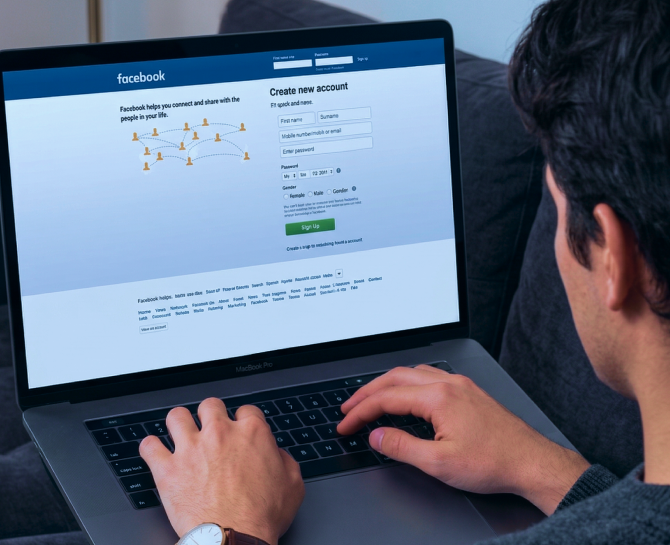
Share Attribution on Facebook: Why a Share Is Now Worth More Than a Click
Share attribution on Facebook is how Meta tracks and credits conversions that come from social actions like shares, saves, likes, and comments, rather than direct link clicks. Since March 2026, Meta has put these interactions in their own separate category called engage-through attribution. For anyone running paid social, this changes how you read performance, what you optimize for, and how you explain the numbers to stakeholders.
You ran a Facebook ad you ran and someone in your target audience noticed it. They didn’t click it. They shared it with a colleague. That colleague recognized the brand from a few earlier impressions, booked a demo three days later, and signed a contract the following month.
If you are reporting in old style, that demo is termed as direct traffic or just vanishes. Under Meta’s updated system, it finally has a home.
On March 3, 2026, Meta narrowed its definition of click-through attribution for website and in-store conversions. Going forward, only link clicks, not likes, shares, saves, or other interactions, count toward click-through attribution. The change was designed to reduce discrepancies between Meta Ads Manager and third-party tools like Google Analytics. (Source: Search Engine Land, March 2026)
A lot of coverage on this update focused on the reporting implications, and those matter. But the bigger deal is what it signals about how social advertising actually works, and why you have probably been undervaluing your best-performing creative for years.
Key Takeaways
- Meta is shifting conversions from shares, saves, and other non-link clicks into engage-through attribution, and strongly encourages advertisers to use it to understand the full impact of high-value social interactions.
- The new default attribution setting is 7-day click, 1-day engage-through, 1-day view-through. That one-day window for engagement-through is easy to miss, and it matters a lot.
- Share is considered as peer referral. When someone passes your ad to a colleague, they’re vouching for it personally, and that trust transfer is something a cold ad impression can’t replicate.
- Your click-through numbers will likely drop after this update. That’s not your campaign getting worse. It’s a reclassification. Set a new baseline from March 2026 before comparing anything.
- Content that gets shared and saved now feeds into your attribution data directly, so engagement metrics aren’t just a feel-good number anymore.
What Is Share Attribution on Facebook?
Share attribution on Facebook tracks conversions that happened because someone engaged with your ad through a social action, rather than clicking a link to your website. Before March 2026, Meta grouped all of those interactions together under click-through attribution, which is a big reason why your Ads Manager numbers never matched your Google Analytics numbers.
Before March 2026, Meta’s click-through attribution counted any click on an ad as a qualifying interaction, including likes, shares, saves, comments, profile taps, and image expansions. If someone liked your ad on a Tuesday and bought your product on Friday, Meta reported that as a click-through conversion. Third-party tools like Google Analytics have always counted only link clicks, creating a persistent gap between what Ads Manager showed and what GA4 reported. (Source: Ads Uploader, March 2026)
The engage-through category is Meta’s solution to that longstanding mismatch. Shares, saves, likes, and similar interactions now have their own measurement lane, with their own conversion window, reported separately from direct click activity.
How Does Engage-Through Attribution Work?
What is engage-through attribution?
Engage-through attribution is Meta’s measurement category for conversions that follow non-link social interactions, including shares, saves, likes, comments, and video views of at least 5 seconds. It replaced what Meta used to call engaged-view attribution in March 2026, and unlike its predecessor, it applies to every ad format, not just video.
Engage-through counts conversions from non-link interactions like likes, shares, saves, and comments, as well as video views of at least five seconds. Click-through has a seven-day window. Engage-through has a one-day window. Your click-through conversion numbers will likely decrease, but this is reclassification, not a performance decline. (Source: Ads Uploader, March 2026)
The one-day window is the detail worth paying attention to. Say someone shares your ad on Monday and their colleague converts on Wednesday. That falls outside the engage-through window completely, and it won’t appear in click-through attribution either because no link was clicked.
Your new default attribution setting: 7-day click | 1-day engage-through | 1-day view-through.
| Attribution Type | Triggered By | Window | Applies To | Key Limitation |
|---|---|---|---|---|
| Click-through | Direct link click | 7 days | All formats | Misses social-influenced conversions |
| Engage-through | Share, save, like, comment, 5-sec video view | 1 day | All formats | Short window misses delayed conversions |
| View-through | Ad impression, no click | 1 day | All formats | Hard to verify actual impact |
Why Is a Share More Valuable Than a Click?
Think about the last time you shared something with a colleague. You probably thought about it for a second before hitting the button. You put your name on it. That’s very different from clicking an ad because your thumb slipped, or because you were mildly curious for three seconds.
When someone shares your Facebook ad, they’re essentially saying ‘this is worth your time’ to someone in their network. The person on the receiving end isn’t encountering a cold brand impression. They’re receiving a recommendation from someone they actually know and trust. That changes how they engage with whatever they see next.
For B2B and higher-ticket products, this trust transfer is genuinely meaningful. Ads shared by one person that later prompted friends or followers to search for or click through will now be more clearly attributed as actions driven by social network behavior. (Source: AdExchanger, March 2026)
This is why treating shares as vanity metrics was always a mistake, and why having them captured in a dedicated attribution category gives you data you can actually act on.
What Does This Mean for Your Reporting?
Do not compare pre- and post-March 2026 data directly. You are comparing two different measurement systems. A drop in click-through conversions between February and March does not mean performance declined. Set a new baseline from mid-March 2026 onwards and evaluate from there. (Source: Dataslayer, April 2026)
When this rolls out in your account, click-through conversion numbers will drop because the definition is now stricter. Some conversions that previously showed up as click-through will move into the engage-through column. And a smaller number of conversions will disappear entirely, specifically ones where a non-link interaction happened more than one day before the conversion.
Update your reporting dashboards so click-through and engage-through appear as separate columns. Set a new baseline. And when you present the numbers to leadership, explain what changed so nobody interprets a definitional reclassification as a performance problem.
How to Enable and Use Engage-Through Attribution
Engage-through is part of the default attribution setting in Ads Manager, but it’s worth checking that this is active on your campaigns, particularly older ad sets with custom attribution configurations.
Go to the ad set level in Ads Manager, find the Attribution Setting under your performance goal section, and confirm your default shows 7-day click, 1-day engage-through, and 1-day view-through. Then use Meta’s Compare Attribution Settings feature to see how conversions break down across all three categories for each campaign.
When the goal conversion event is a purchase, keep the default 1-day engage-through attribution on, as this reflects interest and awareness. For lead generation events, evaluate whether it adds a meaningful signal or just inflates reported volume. (Source: Jon Loomer Digital, March 2026)
What This Means for Your Creative Strategy
Here’s something that tends to get buried in the reporting conversation: if engagement is now a formal attribution input, then creative that drives engagement has a direct, measurable line to conversion performance. Shares, saves, and profile visits aren’t just soft metrics anymore. They show up in your attribution data.
UGC formats, creator-led video, and lo-fi content that invites interaction rather than just a click were already valuable for capturing attention. Now there’s a clear, reportable line between that creative strategy and conversion performance. (Source: Brainlabs Digital, April 2026)
For teams who’ve been struggling to get budget behind interaction-first creative, this update gives you the measurement evidence to make that case. A video with a strong save rate may now show better attribution contribution than a static ad with a higher click-through rate, and you’ll have the data to back that up.
The DiGGrowth Edge: Connecting Engage-Through to CRM Revenue
Meta’s engage-through category makes reporting more honest, but it still only shows what Meta can observe within a one-day window. Share-driven conversions that happen outside that window, or influence that flows through channels Meta can’t track, still won’t appear.
DiGGrowth connects Meta’s engage-through data alongside click-through and view-through signals directly to your CRM revenue outcomes. Rather than taking any single attribution window as the complete picture, DiGGrowth maps the actual customer journeys that turned into closed revenue and traces which Meta interactions, including social engagement signals, appeared in those paths.
For B2B teams where one person sharing a post can set off a buying process involving multiple stakeholders over several weeks, getting account-level visibility into social attribution is what makes engage-through genuinely useful rather than just an interesting column in your dashboard.
Ready to get started?
Increase your marketing ROI by 30% with custom dashboards & reports that present a clear picture of marketing effectiveness
Start Free Trial
Experience Premium Marketing Analytics At Budget-Friendly Pricing.

Learn how you can accurately measure return on marketing investment.
How Predictive AI Will Transform Paid Media Strategy in 2026
Paid media isn’t a channel game anymore, it’s a chessboard. Search, social, programmatic, video, influencer, native,...
Read full post post
Don’t Let AI Break Your Brand: What Every CMO Should Know
AI isn’t just another marketing tool. It’s changing how we connect with customers, personalize content, and...
Read full post post
From Demos to Deployment: Why MCP Is the Foundation of Agentic AI
A quiet revolution is unfolding in AI. And it’s not happening inside research labs. For decades,...
Read full post postFAQ's
Share attribution tracks conversions that originate from social interactions like shares, saves, and likes rather than direct link clicks. Since March 2026, Meta categorizes these under engage-through attribution, a separate measurement lane with its own one-day conversion window.
Engage-through attribution is Meta's category for conversions following non-link social interactions, including shares, saves, likes, comments, and five-second video views. It replaced the older engaged-view metric in March 2026 and applies to all ad formats with a one-day conversion window.
Because Meta redefined click-through attribution to count only direct link clicks. Conversions previously attributed to likes, shares, and saves moved to engage-through attribution. This is a reclassification, not a performance drop. Build a new baseline from March 2026 before comparing periods.
For purchase-goal campaigns, yes. For lead generation, evaluate whether it adds a meaningful signal or just inflates reported volume. Engage-through is most relevant for awareness and consideration campaigns where social interaction is a genuine part of how buyers move toward a decision.